
The short answer: probably not, at least not in the way adults learn it. The color wheel is an analytical tool, and most children under ten learn better through hands-on exploration than abstract diagrams.
How Young Children Process Color
Kids naturally understand color relationships through experience. They know grass is green, the sky is blue, and mixing their paints sometimes makes new colors. This intuitive knowledge actually serves them better initially than memorizing that yellow and blue make green. They'll discover that relationship themselves within minutes of having both colors available.
Formal color wheel instruction works best around ages 10-12, when abstract thinking develops. Before that, the diagram doesn't connect to what they see in their drawings. A seven-year-old staring at a color wheel chart won't suddenly paint better sunsets.
What Works Instead
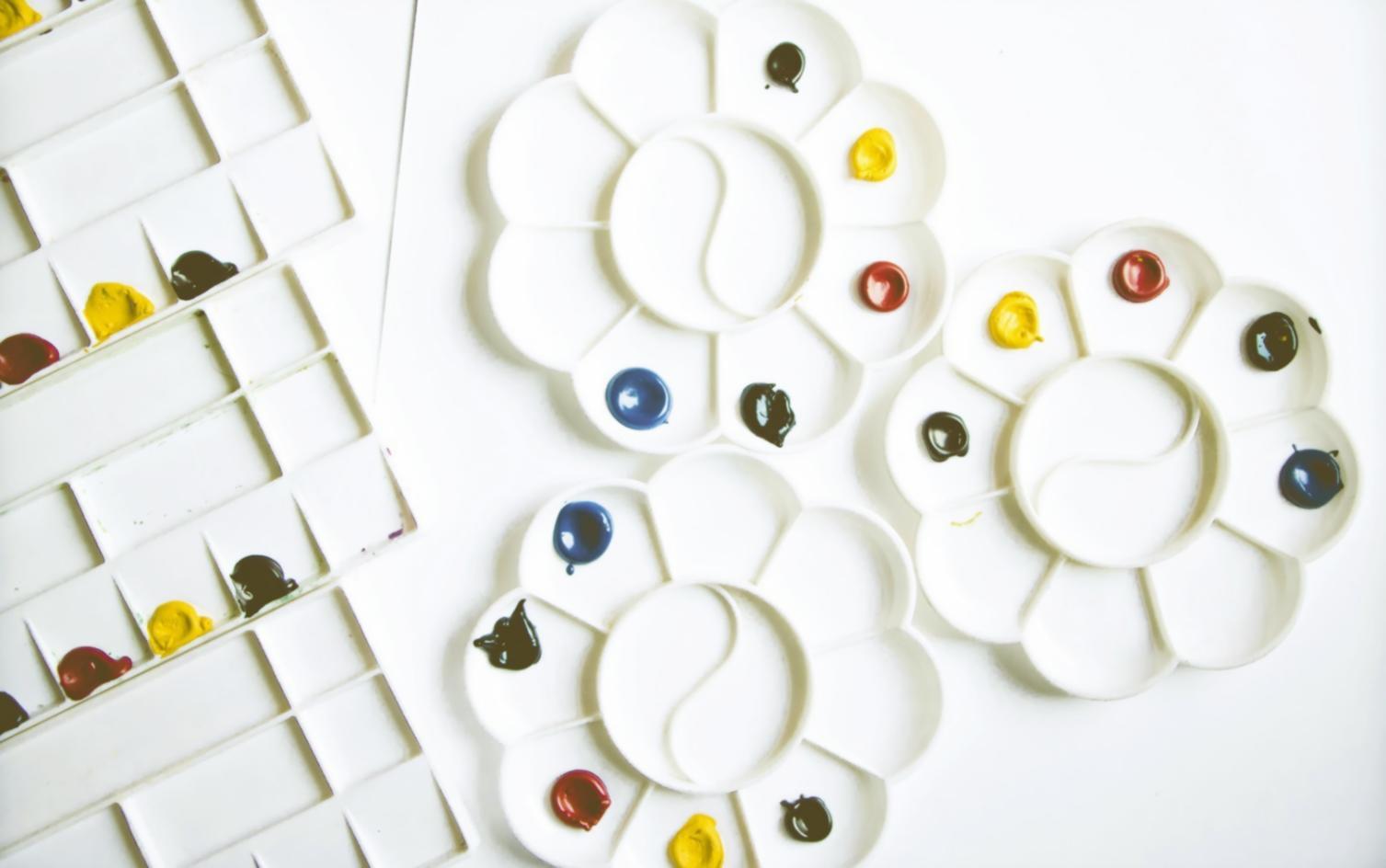
Give children primary colors plus white and let them mix. They'll figure out secondary colors (orange, green, purple) on their own. This discovery process teaches more than any explanation because they're solving a tangible problem: how do I get the exact purple I want?
Observational exercises help too. Ask them to notice how many different greens exist in a single tree. This trains their eye to see subtle variations, which matters more than knowing theoretical color relationships.
When Theory Becomes Useful
Around middle school, the color wheel suddenly makes sense because students can connect it to their existing experience. They've already mixed hundreds of colors. Now the wheel organizes what they already know and introduces new concepts like warm versus cool tones or complementary contrast.
Timing matters more than the information itself. Teach theory when it answers questions kids are already asking through their work.